
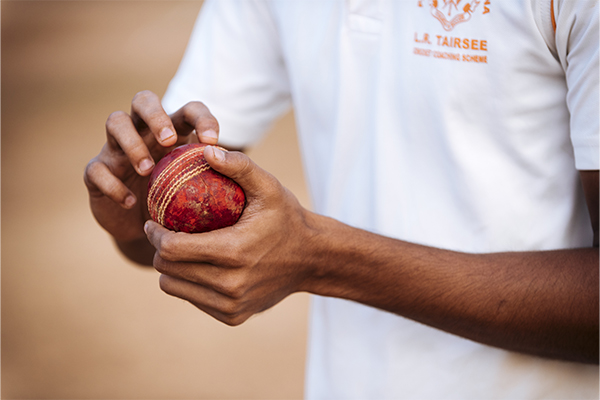
From palace gardens to busy public fields, The History of Cricket in Nepal tells how a small pastime became part of social life across many towns. This short lead shows who began play, where it spread, when clubs grew, why people love the game, and how training and local organization made cricket more common in villages and cities.
Early appearance and royal beginnings
Cricket first came to Nepal in the 1920s when members of the Rana family visited India and saw the sport. They bring equipment and simple rules back to Kathmandu. At first matches are private and played on palace grounds. Only a few nobles and their guests take part. The early games set basic habits of play in city areas.
Local youth see matches and learn by watching. Many start playing with wooden planks and homemade balls. Schools do not organize cricket yet, but children copy moves from adult players. This stage is small but important because it plants seeds for the next decades.
Early influences and community adoption
- Visits to India bring knowledge and gear.
- Palace gardens serve as first practice grounds.
- Early games are social events for elites.
Boys from the neighborhood and kids from the village make up simple rules for narrow streets and fields. They make small wickets and keep track of the score in a simple way. Cricket begins to move from palace to playground. Simple local rules appear to fit crowded lanes and open pastures.

Club formation and local competitions
By the 1970s local clubs appear in Kathmandu and other towns. Clubs are small at first and run by volunteers. They organize weekend matches and friendly cups. Players learn proper batting stance, basic bowling, and field positions. Equipment is still limited, but a training culture is starting to form.
Coaches are usually older players who teach the basics. Some clubs share equipment and change nets. As more people go to games and talk about them in tea shops, public interest grows. Rivalries are a fun way to show pride in your hometown.
Key milestones
- Formation of first village clubs and school teams.
- Regular weekend tournaments connecting towns.
- Emergence of basic coaching and training routines.
These steps make cricket more organized. Players travel between districts to play. The sport gains stable followers, and simple rivalries form. Small prizes and certificates motivate teams.
Cricket in Nepal–national organization and early administration
The Cricket Association of Nepal appears as a formal body in the mid–20th century, and it takes a bigger role in national organization. Officials try to create uniform rules and manage inter–district competitions. The association seeks links with regional cricket bodies to get guidance on official play and tournament scheduling.
Coaches start attending workshops and learn more about rules and scoring. The game became part of the school sports calendar in several districts. Local officials organize selection trials for better players.
Nepal on the regional stage
From the 1990s, Nepal started playing more in regional youth and amateur tournaments. Teams face strong opponents but gain useful experience. Players return home with new skills and ideas. The media begin to report some matches and scores, and public interest widens beyond local clubs.
Local grounds improve slowly, and some fields adopt better surfaces for longer matches. Fans gather in small stands and at roadside to watch important matches. Radio and later online posts help spread results beyond the immediate town.
Training and youth development
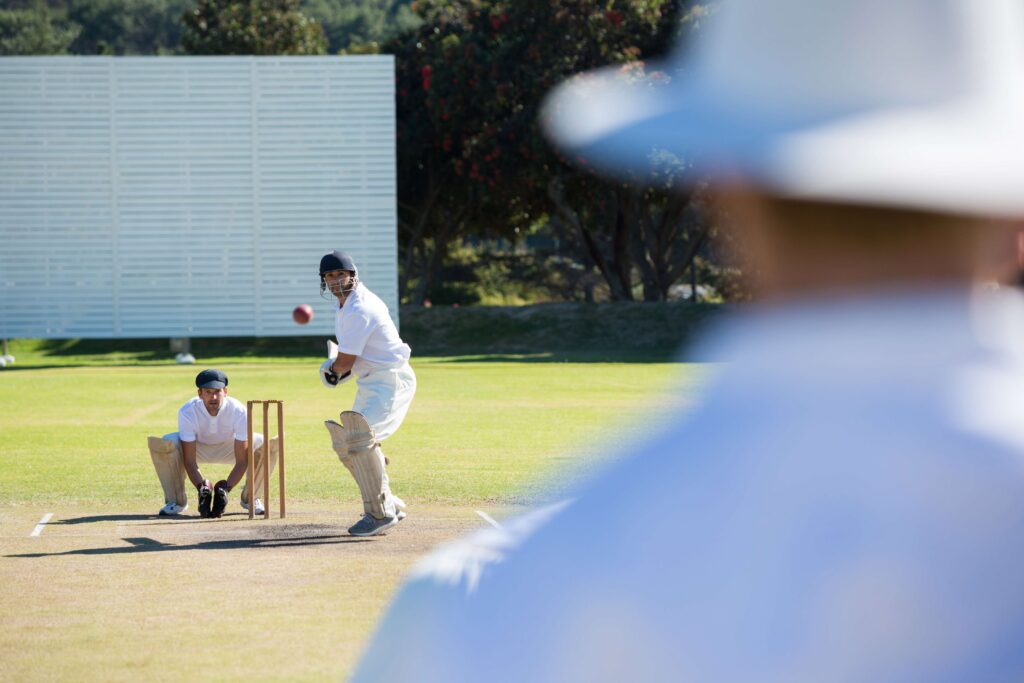
Cricket academies begin to appear, and small training centers offer regular sessions. Young players practice batting drills, bowling line and length, and fielding position. Evening practice under basic lights helps students who study during the day. Fitness routines become part of training.
Coaches teach simple tactics and encourage discipline. Many sessions focus on ball control and timing rather than power hitting. Parents also help by arranging travel and small funds for gear. This support is quiet but steady, and it builds a longer–term player base.
Youth tournaments create a ladder for talent to progress. Scouts from bigger clubs visit school events. Some players get a chance to train with better equipment for short periods. These steps help more players get better and make a national pool.
Challenges and resilience
Cricket in Nepal faces obstacles such as limited funding, weather that disrupts matches, and uneven facilities across regions. Equipment is often scarce in rural areas. Despite this, clubs and volunteers work to keep regular play. Community fundraising and donor gifts help buy gear when possible.
Even when official support is small, grassroots interest keeps sport moving forward. Players adapt to conditions and learn inventive practice methods. Cloudy monsoon months bring schedule changes, but teams find indoor drills or light practice to stay ready.
Cultural importance and social impact
Cricket grows as part of local culture and recreation. People discuss scores in markets and on the radio. Community tournaments happen during festivals and school holidays. The sport helps build local ties and offers healthy activity for youth.
Cricket also helps create modest careers for some coaches and organizers. Young fans dream of wearing a national jersey and playing for bigger teams. The sport creates a social bridge between different groups and ages.
Current squad and notable players
Some players from local systems join the national team and play in regional events. The national squad brings attention to the sport and inspires new players. For a detailed list of the current squad and player positions, see the external sources listed at the end of the article.
Infrastructure and pitches
Building good pitches remains a slow but steady process. Some districts invest in grass grounds and practice nets. Local groups clean and level fields before tournaments. Small investments in drainage and a basic pavilion make long games possible. Equipment banks start to appear in some towns to lend bats and pads to children. These steps do not make perfect conditions, but they open more chances for regular play.
Women and grassroots growth
Women and girls start joining training groups more often. School programs sometimes include mixed teams and separate girls’ squads. This helps widen the base of players and change the social view of the sport. Local women coaches and volunteers organize events that invite girls to try cricket without pressure. Local media continue to cover matches and write simple profiles of rising players.