
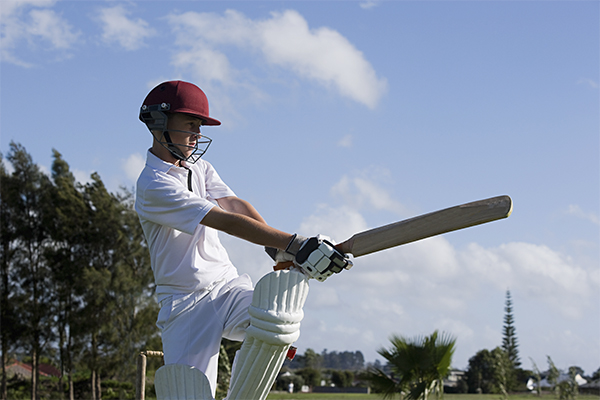
From Kathmandu to far provinces, the national body helps shape how cricket is run and who plays for Nepal–the Cricket Association of Nepal guides rules, runs tournaments, and supports player pathways. This lead tells who created the body, what it must do, where it acts, when key events changed the organization, why it is central to cricket, and how it tries to build the game.
Early formation and aims
The idea of a national cricket body comes from local clubs and people who want shared rules and regular matches. Leaders meet and form an association to bring clubs under one roof. The first aim is simple–make a schedule, set playing rules, and help clubs find grounds. At the start resources are small and growth slow, but the aim is clear.
Local patrons and schoolteachers help organize matches in towns. Early clubs often rely on social support and small funds from community leaders. These small efforts build a habit of play and later make formal body possible.
Legal status and international membership
The Cricket Association of Nepal is the official national governing body for the sport. It works with regional and global groups so that Nepal can take part in events around the world. Membership gives access to training, teachers, and fund support. These ties also mean the association must follow governance rules and hold fair elections.
International membership often requires regular reporting and good governance. This push can help local change–when a body follows rules, it gains trust and funding that help build pitches and training centers.
Functions and core duties
- Setting rules for domestic competitions and managing national tournaments.
- Selecting national squads and organizing tours abroad.
- Promoting youth, women, and grassroots programs in provinces.
- Running coaching and umpire courses and working on ground standards.
This list shows how the association keeps many tasks in balance and tries to keep sport fair and open.
Domestic competitions and player pathways
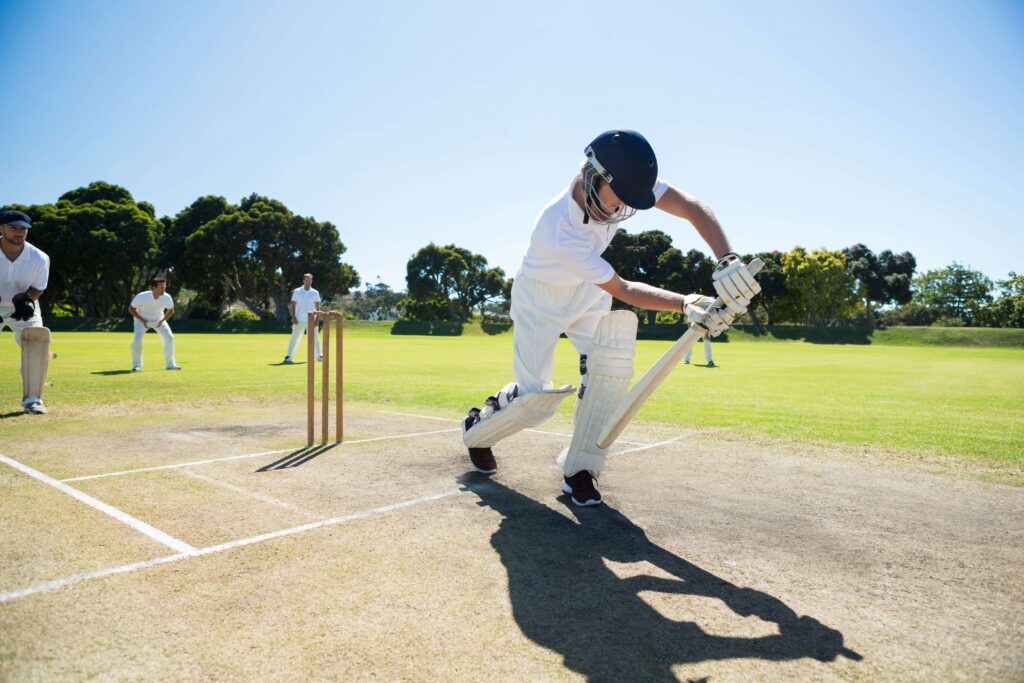
Domestic cricket under the association gives a clear path for players. Young people start in school and club events, then move to provincial and departmental teams, then to national trials. Local tournaments give a stage for scouts and selectors. Regular matches help players learn game sense, stamina, and teamwork.
Community clubs play weekly or monthly cups, and these events are key for player growth. Coaches use these matches to test batting technique and bowling control. The path requires many small steps and steady performance.
- School and club events create a base for skills and early exposure.
- Provincial and departmental teams play national cups like one–day competitions.
- Best performers get called to national trials and may play international games.
This numbered list explains the typical route from informal play to national representation.
Governance, transparency, and past challenges
The association meets problems like disputed elections, interference from outside actors, and funding gaps. Such issues can lead to suspension by international bodies and stop some programs. During hard times volunteers and clubs try to keep play alive. Reform and transparent elections are needed to restore stable work and national trust.
Local stakeholders often push for clear budgets and open accounts. Civil groups and sports councils sometimes help mediate when disputes arise. Stable governance makes it easier to plan long–term development.
Infrastructure, training, and development
The association works with local groups to build and maintain grounds, nets, and small coaching centers. Often it supports camps where players from remote areas come to train. Equipment banks in some towns lend bats and pads to schools that lack gear. Training focuses on basic skills–batting, bowling, fielding, and fitness. Coaches teach simple drills and routines that players can repeat.
Investment in simple drainage and pitch covers helps keep grounds usable after rain. Even small improvements make big changes to practice time and tournament scheduling.
Women and youth initiatives
Growing attention goes to women and youth programs. Many districts organize girls’ teams and youth leagues to give early competition and practice. Women coaches and volunteers create safe spaces for girls to try cricket. Youth camps teach rules and fair play and give a chance to travel and meet selectors.
Some projects also want to teach women how to be umpires and scorers so that women can be involved in sports governance. This makes it easier for girls to stay in the game without worrying about being left out or treated unfairly.
International relations and role
By joining international groups, the association arranges tours, hosts visiting teams, and learns new methods for coaching and umpiring. International ties bring exposure and help referees and coaches attend workshops abroad. These links are key for a national team to reach regional and global tournaments.
Hosting even small international fixtures help local fans and bringshelps attention to sport. These matches also show administrators how event management works at a larger scale.
Notable events and recovery efforts
The history of the association includes years of suspension by the international council due to governance concerns and later reinstatement after reform. These episodes slow development–tournaments pause and training stops in some areas. After new board elections, the association restarts many programs and rebuilds the domestic calendar. The recovery show community resilience and effort to keep cricket moving.
Many clubs and local sponsors step in to support camps and friendly matches during such periods. Their role is often quiet but crucial for talent survival.

Administration structure and leadership
The governance includes elected positions such as president, vice–president, secretary, and members from provincial bodies. The board meets to decide the calendar, budget, and selection policy. Representation from provinces helps bring local voices to the national level. Open meetings and fair processes help people trust each other, but they need to be watched and followed all the time.
Board members who learn about good governance and finance are better able to make decisions. Sometimes, outside advisors help the association come up with fair rules for choosing members.
Importance for sport and society
The association not only organizes sports but also creates social value–it brings youth together, teaches teamwork, and offers healthy activity. Cricket events become places for community meetings, small businesses, and local pride. With an organized body, there is a better chance for talent to be found and for sport to spread across the country.
Future steps and priorities
Key priorities include improving pitch quality, increasing coaching courses in provinces, and supporting women’s programs. More openness and regular local tournaments help keep players in the system. Donating equipment and setting up mobile coaching camps are just two of the many small steps that can help reach more people. These steps need planning and steady funding. Funding plans need clear support and review.